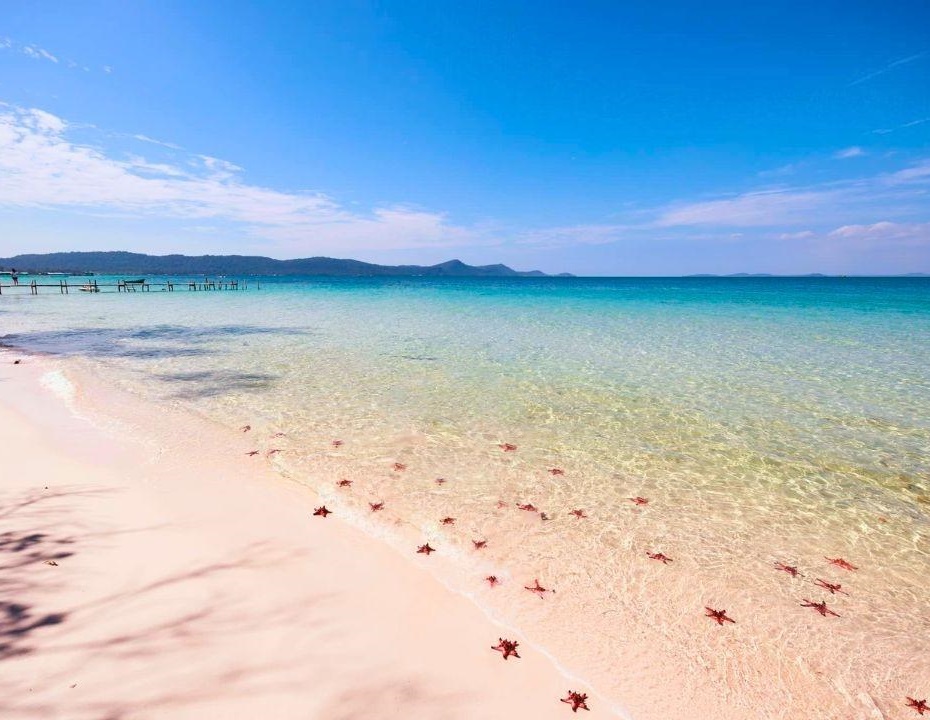
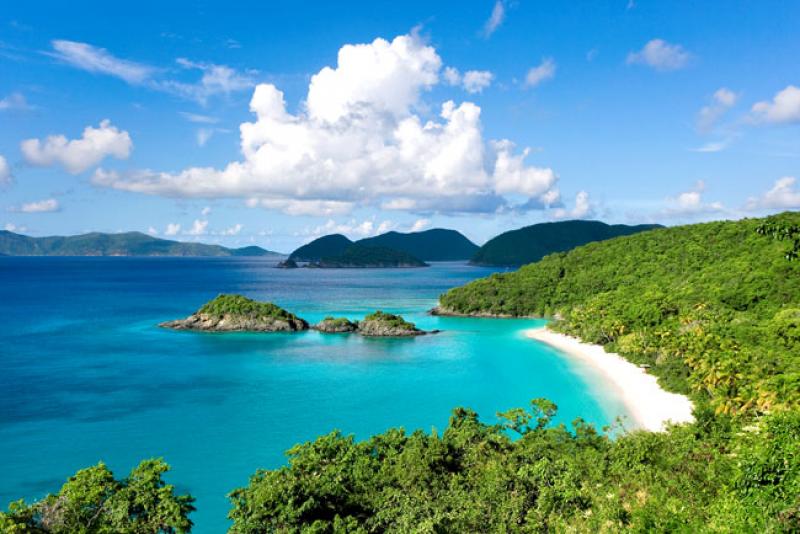
There is much more to discover beneath the waters of Phu Quoc. Below the turquoise surface, coral reefs, schools of small fish and diverse marine ecosystems reveal an entirely different side of the island. That is why snorkelling and diving are often included in the itineraries of travellers who love the sea or want to spend a day exploring Phu Quoc's smaller islands.
From easy-going snorkelling near the surface to seawalking and scuba diving, each activity offers a different way to experience the underwater world. Choosing the right option, however, should depend on your swimming ability, physical condition and the sea conditions on the day.
1. Popular Ways to Explore the Underwater World in Phu Quoc
Snorkelling
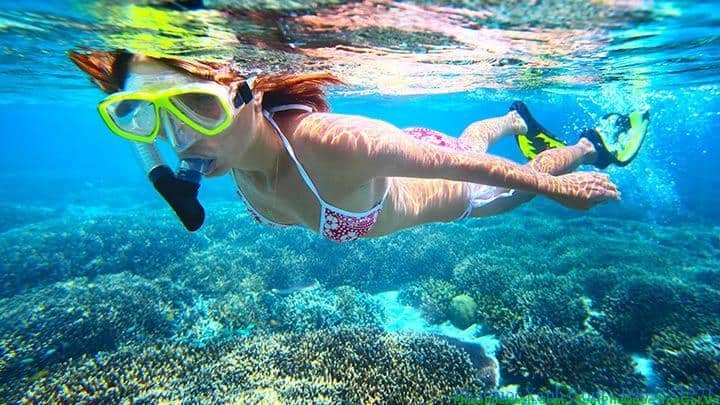
Snorkelling is a good choice for first-timers or anyone looking for a simple and relaxing way to see coral reefs. Basic equipment usually includes a mask, snorkel and life jacket. Participants remain close to the surface, where they can observe coral formations and schools of fish below.
As no air tank or advanced diving techniques are required, snorkelling is commonly included in speedboat tours around the southern islands. Travellers who cannot swim should still wear a life jacket at all times, listen carefully to the safety briefing and enter the water only in areas approved by the tour operator.
Seawalker - Underwater Walking
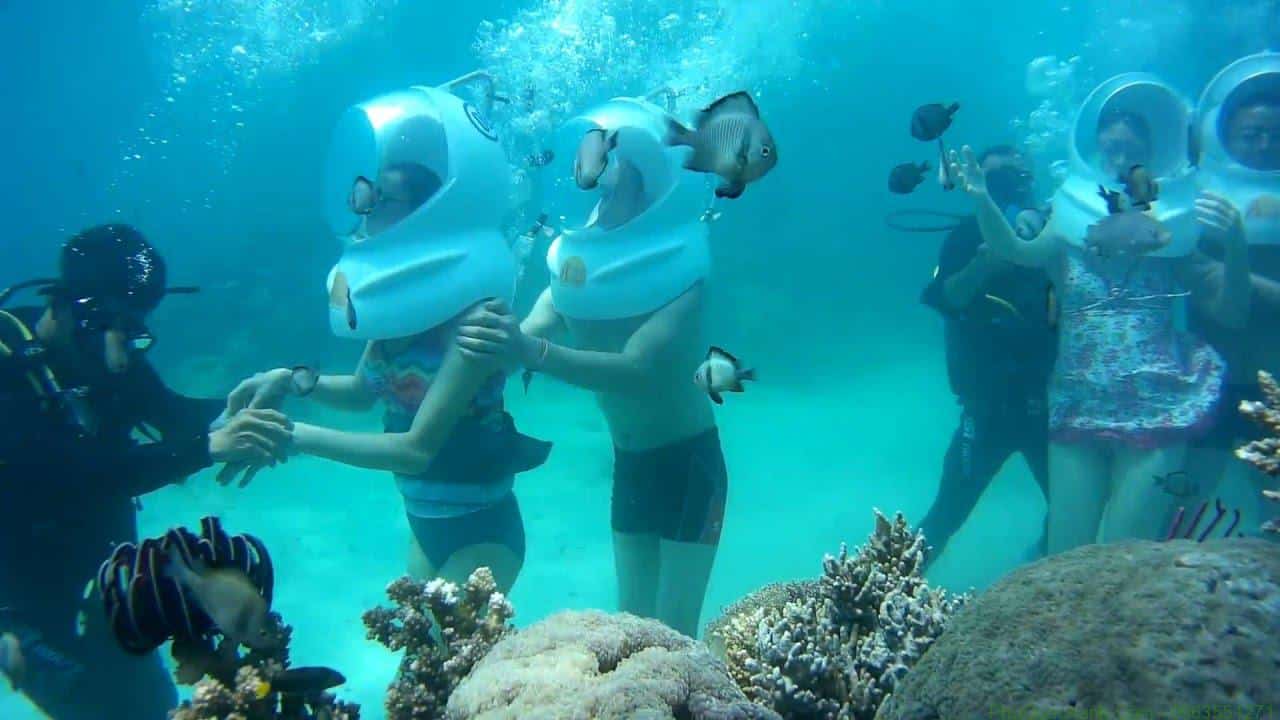
With seawalking, participants wear a specially designed helmet supplied with air and walk along a designated area of the seabed. This allows you to observe fish and coral at close range without using a scuba tank. Some operators allow non-swimmers to take part after receiving basic instructions. However, age limits, health requirements and participation conditions vary between operators, so it is advisable to check the details carefully before booking.
Scuba Diving
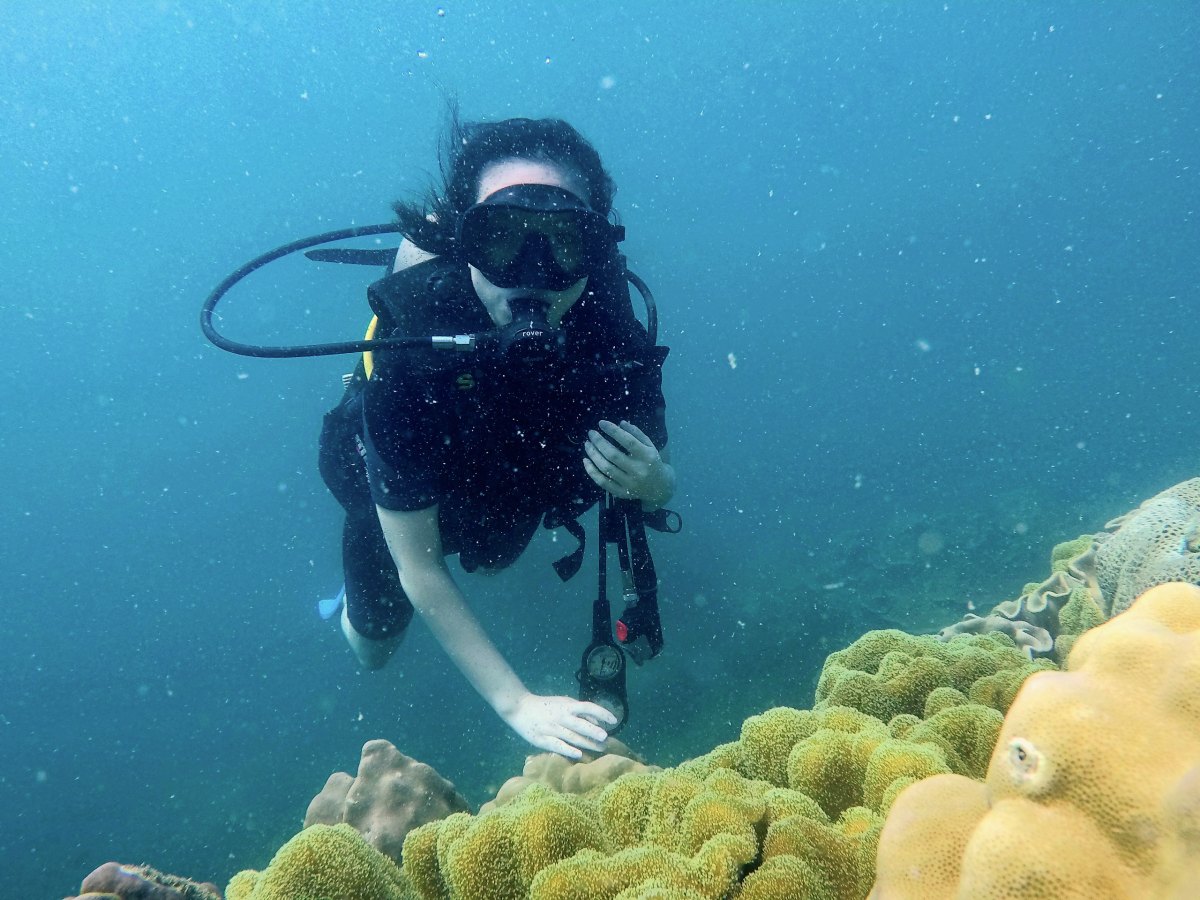
Scuba diving is suitable for those who want to go deeper and spend more time underwater. Divers use an air tank, mask and other specialist equipment, allowing them to reach coral areas that may be deeper than those accessible by snorkelling. For travellers without diving certification, some operators offer introductory dives accompanied by an instructor. Before entering the water, participants should receive guidance on how to use the equipment, communicate underwater and respond to basic situations that may arise during the dive.
2. The Best Time for Snorkelling and Diving in Phu Quoc
The period from November to April is generally considered more favourable for underwater activities in Phu Quoc. During the dry season, rainfall is lower, the sea tends to be calmer in many areas and underwater visibility is often better.
However, the season should only be used as a general guide. Strong winds or rough seas can still occur during the dry months. Likewise, there may be suitable days during the rainy season, particularly in sheltered areas where conditions remain calm enough for activities to operate. If snorkelling or diving is one of the main priorities of your trip, check the weather shortly before your planned date and confirm sea conditions with the tour operator. Morning trips are often convenient thanks to better natural light and generally more comfortable conditions. It is also wise not to schedule a diving excursion too close to your departure flight, leaving some flexibility in case weather conditions affect the itinerary.
3. Popular Snorkelling and Diving Spots in Phu Quoc
Gam Ghi Island
Gam Ghi Island is frequently included in snorkelling tours around the southern archipelago, with several areas known for relatively dense coral formations and clear water when sea conditions are favourable. From near the surface, snorkellers may be able to observe coral clusters and a variety of small fish. If coral viewing is the main purpose of your trip, ask the tour operator in advance how much time will actually be spent at the snorkelling site.
Mong Tay Island
Mong Tay Island is often combined with Gam Ghi and May Rut Islands on speedboat tours of southern Phu Quoc. Besides underwater activities, the island is also suitable for swimming, relaxing and taking photographs. Depending on waves, wind and other sea conditions, the exact snorkelling location may be adjusted on the day to ensure safety.
May Rut Island
With its small beach and tropical scenery, May Rut Island often serves as both a relaxing stop and a convenient base for reaching nearby snorkelling areas. After spending time in the water, visitors can unwind on the beach before continuing their island-hopping journey.
Hon Thom Island
Hon Thom is a good option for travellers who want to combine several activities in one day. Alongside the cable car and entertainment facilities, water-based activities such as snorkelling, scuba diving and seawalking may also be available depending on the season and operating conditions. If your main priority is seeing natural coral reefs, it is worth comparing a Hon Thom itinerary with more specialised snorkelling tours around the southern archipelago before making a decision.
Doi Moi Island
Located in northern Phu Quoc, Doi Moi Island offers a quieter alternative. The surrounding waters include relatively shallow areas and coral reefs that can be suitable for snorkelling when conditions are favourable. Its location near Bai Dai also makes it easy to include in a northern Phu Quoc itinerary.
4. A Few Things to Know Before Entering the Water
Whether you choose snorkelling, seawalking or scuba diving, safety should always come first. Listen carefully to all instructions and check your mask, life jacket and other equipment before entering the sea. If you have heart, respiratory, ear or sinus conditions, or any other health concerns, inform the operator in advance so they can advise whether the activity is suitable for you. Travellers who are prone to seasickness may also want to prepare before travelling by speedboat or boat.
At the same time, remember to respect the marine environment. Keep a safe distance from coral reefs, avoid standing or stepping on them, never break coral, and do not remove marine life from the water simply for a photograph. A memorable dive does not need to bring anything back from the seabed.
We hope these suggestions make it easier to choose the most suitable activity, time and destination for your underwater journey in Phu Quoc. Depending on your interests, health and itinerary, snorkelling or diving can be combined with an island-hopping tour, a visit to Hon Thom or other water activities for a more varied day at sea.
After a day surrounded by blue water and island scenery, return to LaRacine Phu Quoc Hotel for a well-earned rest and enjoy a more relaxed pace before your next island experience begins.